EXCLUSIVE: Michael Wolff and Jeffrey Epstein Are Still In Business Together
Sex Crimes, Lies, and Interview Tape: Inside the media operator’s attempt to spin his private stash of Epstein Files into a heap of cash - and reputational-insurance - for himself.

Welcome back to The Red Letter.
It was the lack of Epstein Files that made it the summer of the Epstein Files. The suppression of documents related to Jeffrey Epstein and his network transformed a matter of national interest into an obsessive frenzy by the time Washington began to boil last summer — and Donald Trump was breaking out in a sweat.
He had returned to the White House on a vow of transparency he never expected he would have to keep. His agreement to make the documents public about Epstein and his network of still-at-large associates was halfhearted by the standards of his past election-year promises about infrastructure projects and plans to imprison certain politicians that were the basis for slogans chanted at his rallies and scrawled across his official merchandise. “Yeah, I would,” he said when asked if he would disclose materials about his pedophile ex-friend who died in prison during his first presidency and whom he said he barely knew in the first place, “I guess I would.”
Six months into his second administration, Trump was slowly coming to realize that the Epstein Files were unlike any other issue — and that his failure to keep his promise risked pulling his presidency into a fast-rising swamp tide of crisis.
Ninety percent of Americans wanted to know what the government was holding back about Epstein, and Trump supporters increasingly wanted to know why he was siding with the government against which he was supposed to stand in defiance—even when he was literally in charge of it. Attempts to formalize Trump’s excuses through official Justice Department policy only deepened fractures inside his administration, pitting top law enforcement officials against each another and disillusioning some new believers along the way.
It was through those cracks that the Epstein files began to break through. Congress released a trove of documents from the dead financier’s estate. Isolated files leaked to the press from sources shrouded in mystery. Epstein refused to go away. The more people learned about the case, the more they wanted to know — and the more obvious it became that Trump himself knew more than he would ever admit publicly.
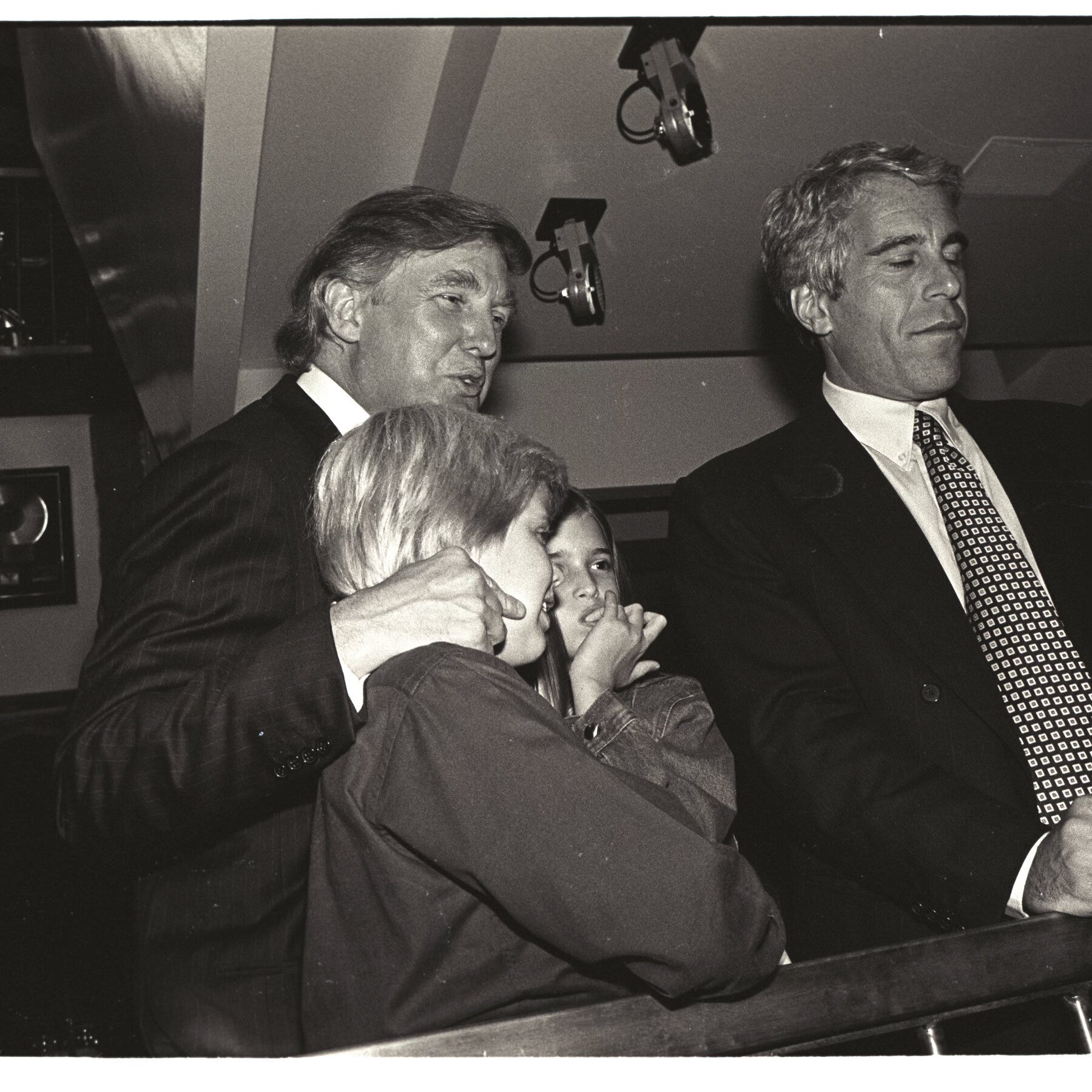
In response, he retaliated against news organizations with legal threats and public intimidation. He filed a $10 billion lawsuit against The Wall Street Journal for publishing a sleazy birthday card — complete with a doodled note from Trump — that underscored how much closer his relationship with Epstein was than he has long tried to publicly portray.
At the same time, one of Trump’s loudest critics was quietly helping him with the cover-up.
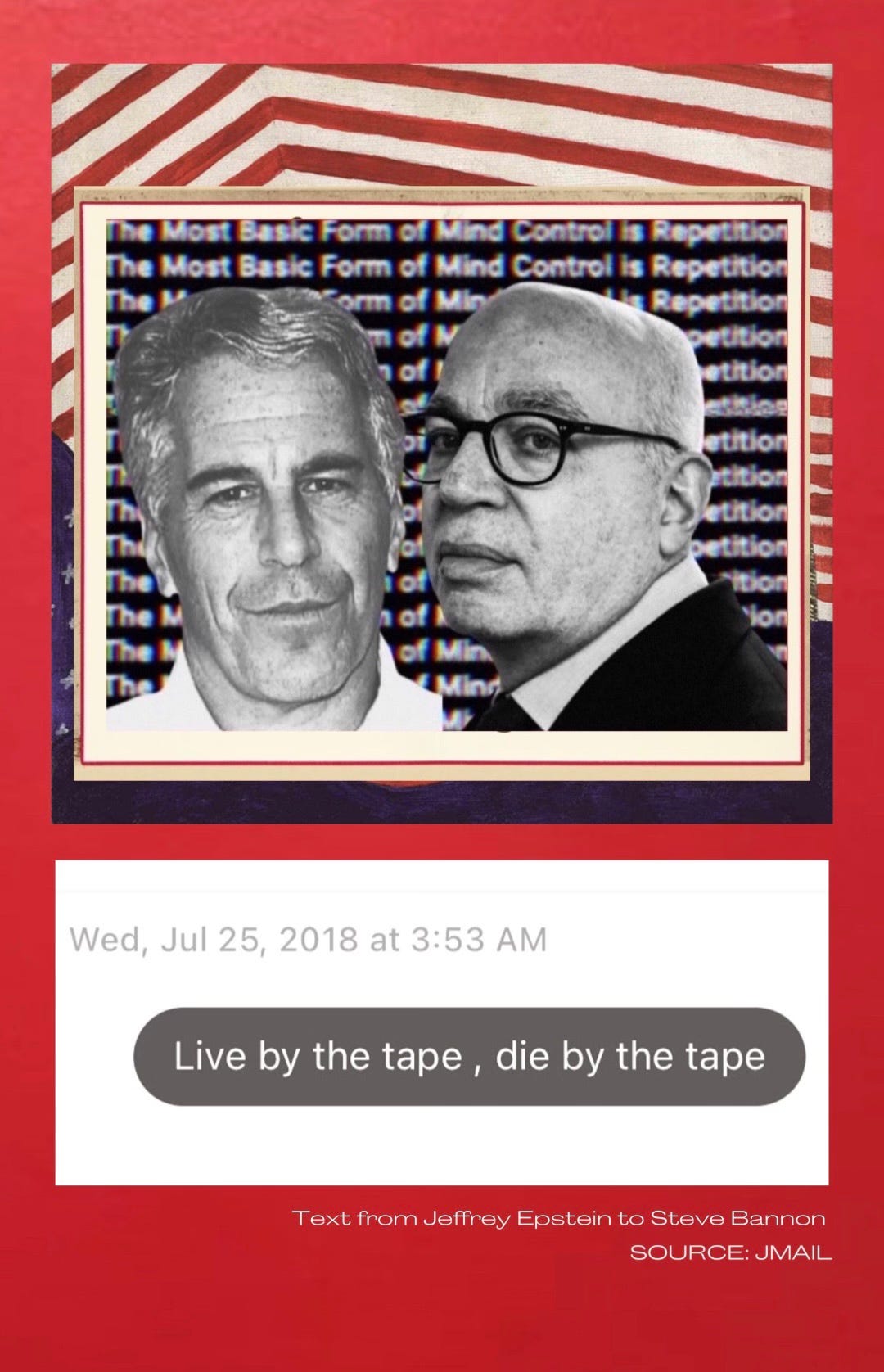
Writer Michael Wolff claims to possess 100 hours of audio recordings of conversations with Epstein. Days before the 2024 election, he said it was time to answer outstanding questions about what really went down between the president and the pedophile.
For half a century, Wolff has fixated on wealth, power, and the media business that decides what it looks like when someone matters. He has often been close to his subjects, and his subjects have often accused him of dishonesty or disinterest in facts that complicate the kind of narratives that make a book a bestseller. Wolff has long projected a fascination with the visible markers of wealth that adorn the lives of the powerful people he views as aspirational.
A failed media mogul himself, by 2024 Wolff had at least become rich—thanks in part to a Trump feud that earned him millions in immediate book sales and permanent credibility among members of the #Resistance who could be counted on to buy whatever he sold them as long as Trump remained relevant enough to resist.

Wolff positioned himself as an authority on the villains at the center of modern American power — and for a long time, it seemed like he might actually help explain how so many morally compromised people kept rising anyway. Wolff had heard extraordinary claims and valuable insight in his Epstein interviews—all of new and urgent importance on the eve of another Trump administration—and he had kept records of what he heard so that others might hear, too.
Wolff was effectively sitting on a private set of Epstein Files — and he became the only known custodian of such sensitive material to publicly announce plans to release it.
He never did.
In interviews with more than a dozen sources, I’ve confirmed that during the very period when documents from the Epstein case were being fought over, controlled, and ultimately mismanaged by the federal government — amid mounting journalistic, congressional and survivor-led pressure to release them to the public — Wolff was focused on protecting himself and maximizing his opportunity to profit.
My reporting reveals that the Epstein files in Wolff’s possession remained private while he pursued potential deals designed to guarantee both a central role for himself in any eventual production and final editorial control over how his recorded conversations with Epstein would be presented to the public.
Along the way, some of the most powerful figures in media became involved in efforts surrounding commercial usage for the tapes, including former CNN president Jeff Zucker, Daily Beast publisher and former ABC News president Ben Sherwood, and former ABC News president James Goldston.
It’s a new story about old sins—and just how much you can get away with when you’re as shameless as the devils who speak into your recorder.
“[The] Epstein industrial complex,” Marijke Chartouni, a survivor of Epstein’s crimes, said in a text when I asked for a reaction to the news that I could share with readers of The Red Letter. “Everyone is trying to monetize.”
I guess it’s no surprise that when I confronted Wolff, he lied to me.